Did Pandemic Quietly Rewrite the Rules of Modern Dating?
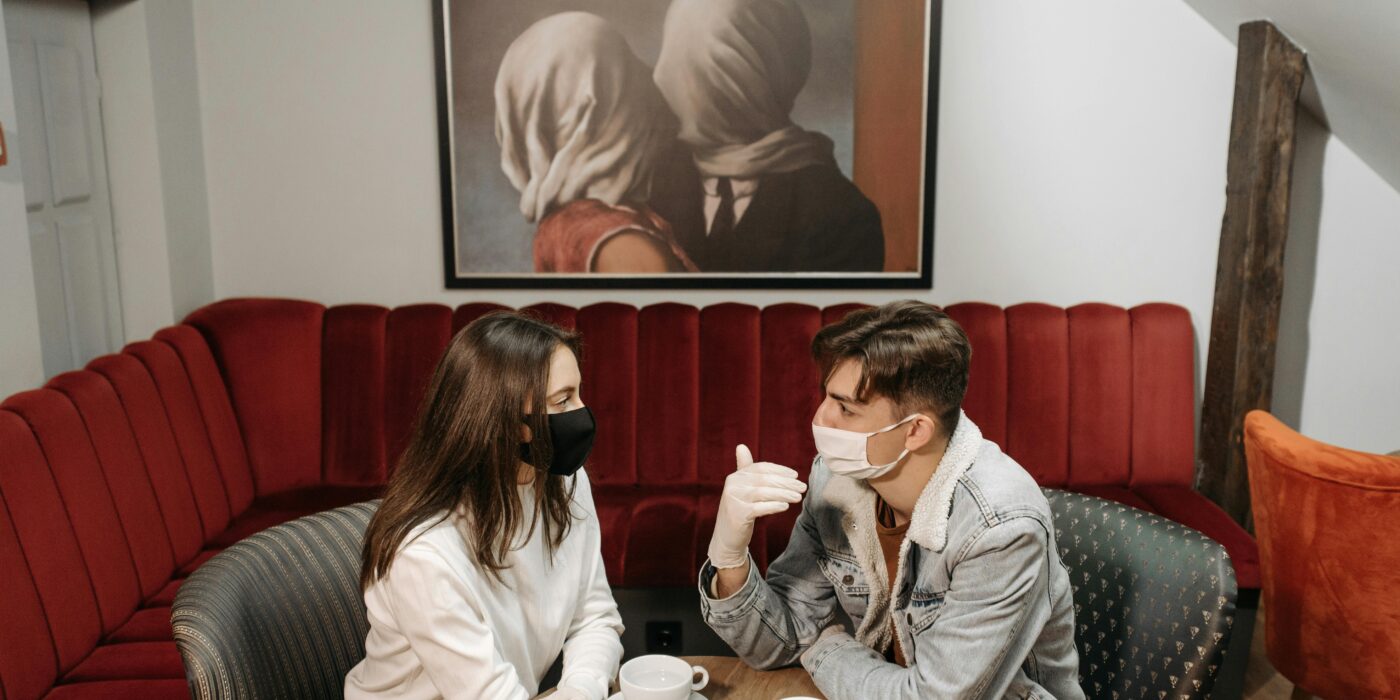
Before 2020, digital dating apps were mostly seen as convenient tools, but during the pandemic they suddenly became essential. With physical interaction feeling risky, people didn’t just swipe more, they connected differently. Tinder even reported its highest number of swipes in a single day in March 2020, showing that people were turning to apps not out of habit, but out of necessity for human connection.
More importantly, the way people communicated changed. Instead of quick messages like “Hey, want to meet up?” conversations shifted to deeper, more emotionally focused questions such as “How are you holding up emotionally?”, “What’s lockdown like for you?”, and “How’s your family doing?”. Intimacy was no longer rooted in proximity but in meaningful dialogue, and emotional connection became the new currency of dating.
Take Sarah, a 29-year-old nurse, as an example. Before COVID, she preferred in-person first dates, but lockdown pushed her to connect with someone on Bumble for weeks before even having a video call. Their bond wasn’t built on physical chemistry but on shared vulnerability, stress, and emotional safety. Researchers found this trend echoed across many users—people began leaning more into emotional intimacy simply because physical intimacy wasn’t immediately possible.

COVID forced dating platforms to innovate almost overnight, rolling out built-in video calling, “date from home” guides, safety and comfort-level prompts, and updated features designed to encourage longer, more meaningful conversations. What used to be fast, swipe-driven apps suddenly transformed into digital spaces built for connection rather than convenience. Users stopped treating these platforms as casual hookup tools and instead began relying on them as emotional lifelines during months of isolation.
For many, the shift was profound. Mark, 36, for example, decided to download dating apps again—not because he was eager to jump back into romance, but simply because he hadn’t spoken to anyone outside of work in days. As he put it, “I wasn’t really looking to date. I was looking to feel connected to anyone.” Without intending to, dating apps became community hubs where people sought support, conversation, and human warmth during a time when in-person interaction felt risky or impossible. In this unexpected way, the pandemic redefined intimacy—not through physical closeness, but through emotional presence, shared vulnerability, and the simple comfort of being heard.
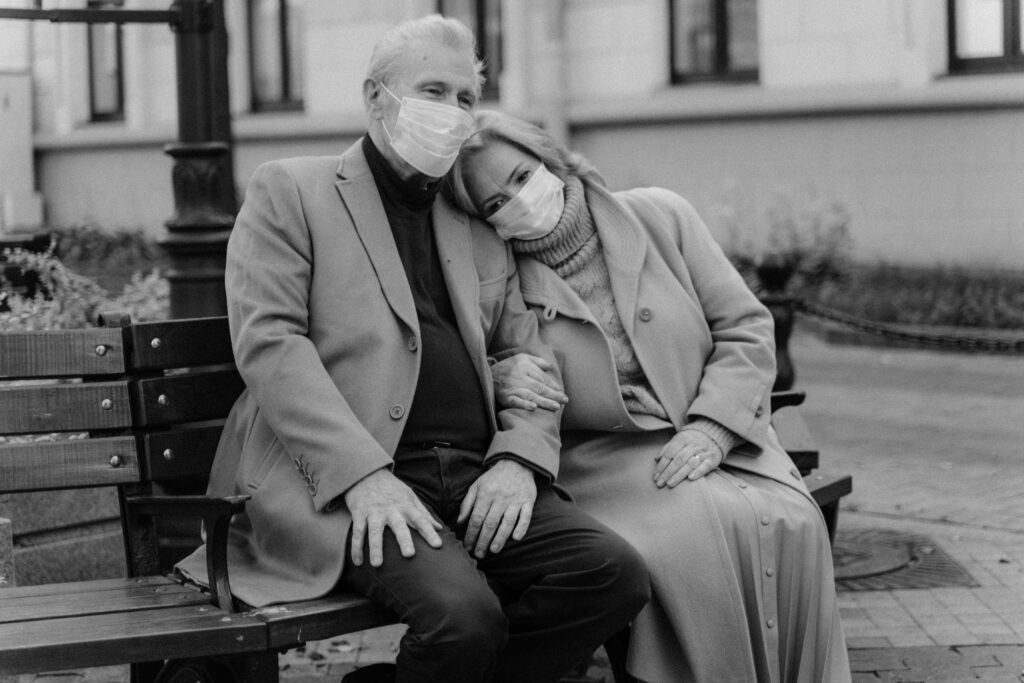
For the first time in modern dating, emotional safety and physical safety carried equal weight. Questions like “Is he emotionally safe?” were no longer enough—people also had to consider, “Is he physically safe to meet?” The pandemic introduced a new layer of caution into dating culture, reshaping how individuals assessed compatibility and comfort.
Suddenly, singles were negotiating issues that had never been part of early dating conversations before. “Are you vaccinated?”, “Have you been around anyone sick?”, and “Are you okay with meeting outdoors only?” became normal and necessary questions. Researchers refer to this shift as a new form of relational risk management—where love, health, and responsibility became deeply intertwined.
A clear example of this came from Anna and Chris, who matched in early 2021. They spent two months getting to know each other before finally meeting at a park, sitting six feet apart with masks on and their own separate snacks. What could have been awkward ended up feeling intimate, because they were actively protecting each other. For many people, this mutual caution didn’t weaken attraction—it strengthened trust.
For years, dating apps were built around speed—quick swipes, instant matches, and the promise of fast gratification. The culture rewarded snap judgments: swipe left, swipe right, keep moving. But when the pandemic arrived, life itself slowed down. People suddenly found themselves with fewer distractions, fewer social options, and more time alone with their thoughts. This shift in pace naturally carried over into the world of dating.
Researchers began noticing an unexpected trend: singles were becoming far more intentional. Quick hookups declined, at least temporarily, and many people shifted their focus from convenience to compatibility. Conversations grew longer, more thoughtful, and more emotionally layered. Instead of superficial small talk, daters leaned into honesty and vulnerability because they were craving connection—not just company. With physical intimacy delayed or limited, emotional intimacy took center stage.
Jordan, 41, offers a perfect example of this shift. Before COVID, he dated casually and didn’t think much about long-term compatibility. But during lockdown, he realized that what he interpreted as boredom was actually loneliness. As he told a friend, “I thought I wanted fun. Turns out I want someone who understands me.” He wasn’t alone in that realization. For many, COVID didn’t just change dating—it changed self-awareness, pushing people to reevaluate what they truly want in a partner and what kind of connection actually fulfills them.
So… What Does Dating Look Like Now?
Dating has transformed in lasting ways since the pandemic. People now prioritize emotional safety, honest communication, and genuine compatibility more than ever before. Digital dating is no longer seen as a backup plan—it has become an essential and intentional part of the modern dating process. Video dates have taken on a new role as a comfortable first step, allowing singles to assess chemistry, communication style, and comfort before meeting in person. Intimacy has become hybrid, blending virtual and physical experiences, proving that meaningful connection can grow even when miles apart. Health, boundaries, and overall comfort have become central to dating consciousness, influencing not just how people meet, but how they show up.
Perhaps the most profound shift is intentionality. Daters today are more reflective, more selective, and more attuned to what they truly want in a partner. Instead of rushing into situations for the sake of convenience or routine, people are seeking relationships that feel emotionally safe, steady, and fulfilling. The pandemic taught us that connection doesn’t rely on physical proximity—it thrives on presence, effort, vulnerability, and emotional honesty. In many ways, love has become slower, deeper, and more meaningful.
COVID didn’t just disrupt dating—it reshaped it entirely, forcing us to rethink what intimacy means, redefine how we navigate risk, and rediscover the beauty of slow, meaningful connection, ultimately reminding us that love adapts, people adapt, and intimacy will always find a way, even through screens, distance, and uncertainty.
This blog includes insights and references from “Exploring the Impact of COVID-19 on Mobile Dating: Critical Avenues for Research” by Alexandra Farren Gibson (2021), published in Health Psychology and Behavioral Medicine.