Why Does Love Feel So Hard in an Age Meant to Keep Us Connected?
Welcome to Generation Single
There’s a quiet shift happening — not in protest lines or boardrooms, but in living rooms, text threads, and dating apps.
Across much of the modern world, people are dating less, marrying later, and spending more time alone.
According to The Economist, this “relationship recession” is sweeping across America, Europe, and Asia.
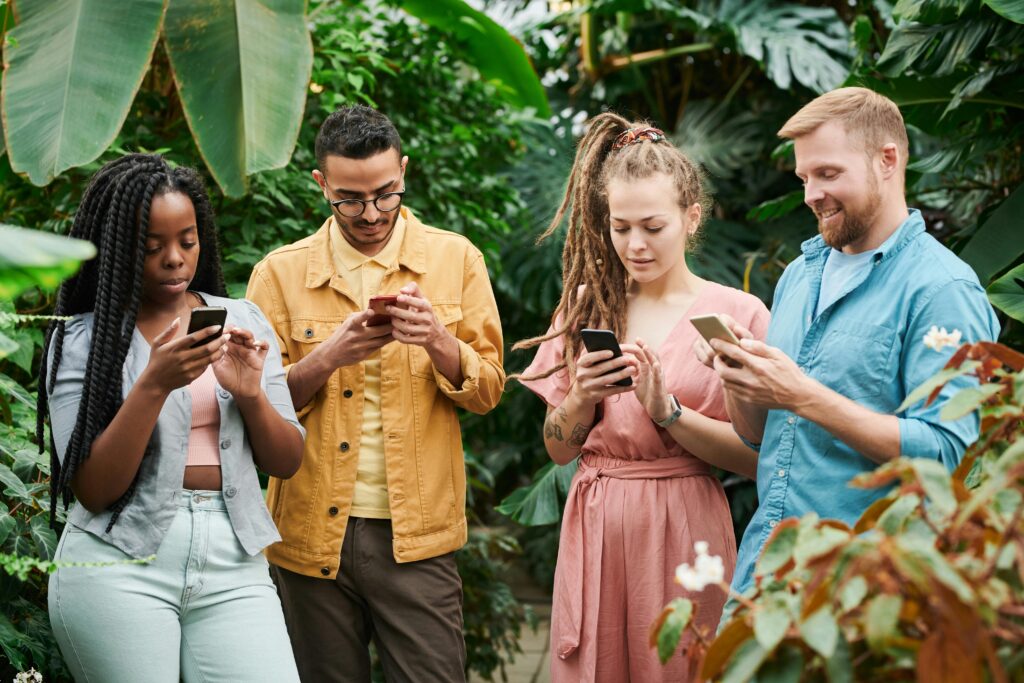
We’ve never been more connected digitally, yet emotional connection feels harder to find than ever.
Maybe love didn’t vanish. Maybe it just got… distracted.
But amid the noise of swipes, screens, and short attention spans, one truth is re-emerging: real connection starts with real people — often the ones who already know us best.
The Dating Paradox
Dating apps promised to make finding love easier.
Instead, they turned it into a numbers game.
With thousands of profiles and endless scrolling, people have more “options” than ever — yet fewer real connections.
We filter potential partners like products: by height, politics, playlists, or star signs.
Love has become an algorithm, and feelings have become data points.
That’s why many singles are now rediscovering something timeless: personalized matchmaking.
Unlike apps, where compatibility is left to chance, matchmaking offers intention.
It brings back the art of being seen — not just swiped on.
A matchmaker or trusted friend doesn’t pair people for convenience, but for chemistry, shared values, and emotional fit.
In a world of endless choices, curated connection feels refreshing — even revolutionary.
Smart, Strong, and... Still Single
All over the world, women are thriving — leading, building, and redefining independence.
But many are also realizing that success doesn’t make love any simpler.
Across the OECD, women now outnumber men in higher education and professional roles.
They want partners who bring emotional intelligence and mutual respect — not just ambition.
The problem? Algorithms can’t measure compatibility of values or energy.
That’s where human matchmaking shines.
A professional or friend who truly listens can see patterns, personality fits, and shared purpose that data simply can’t.
Because being independent doesn’t mean giving up on love — it means seeking it in a way that feels more authentic.
The Politics of Pillow Talk
Wedded to Devices, Not to People
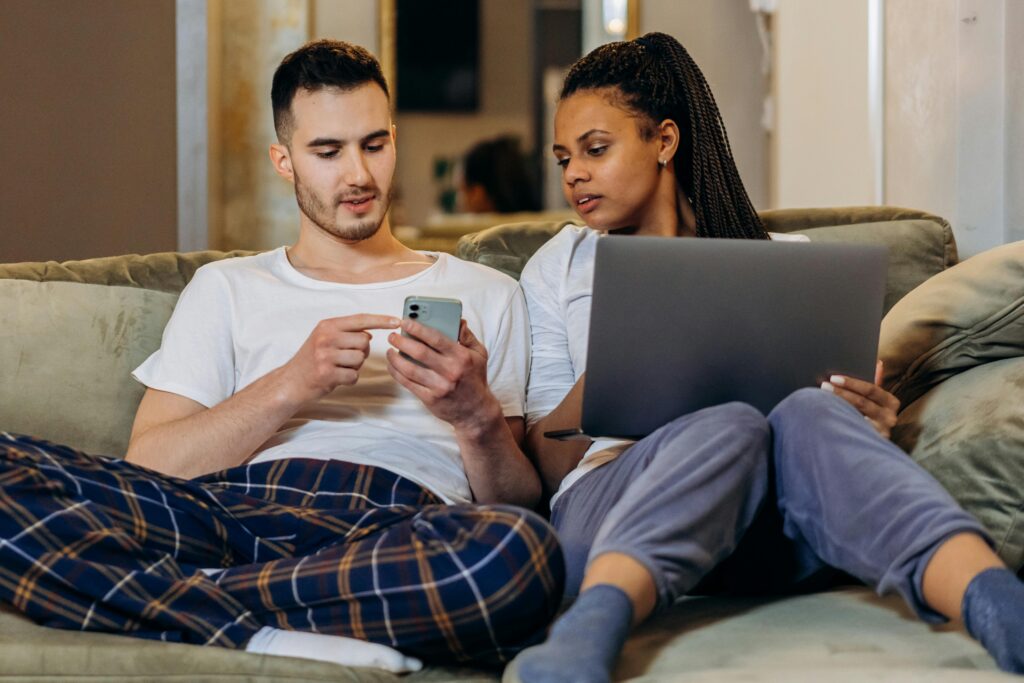
Today’s generation spends more time gaming, streaming, and scrolling than dating.
Face-to-face social time has dropped by over 25% in the last decade.
We’ve traded the thrill of connection for the comfort of convenience.
And while technology fills the silence, it can’t fill the emotional space we crave.
That’s why matchmaking — done thoughtfully and intentionally — is making a comeback.
It gives people the space to reconnect offline, to meet others through shared networks or trusted introductions, and to rediscover the joy of natural chemistry.
Love is meant to be experienced, not optimized.
Falling birth rates, single households, and rising loneliness — these aren’t just statistics.
They’re reflections of a world where connection has become complicated.
But not everyone who’s single is unhappy. Many are using this time to grow, heal, and define what love truly means.
And when they’re ready, they’re seeking connection differently — through curated, meaningful introductions that save time, energy, and heartache.
That’s the quiet beauty of matchmaking through trusted circles or professional services:
It removes the noise of the digital world and replaces it with something personal, genuine, and intentional.
We’re not losing love — we’re learning to love smarter.
To balance independence with intimacy.
To value quality over quantity.
In a world that rewards speed, matchmaking invites us to slow down — to connect with purpose.
Because real chemistry can’t be programmed.
It’s felt. It’s understood. It’s introduced — through people who care.
✨ Maybe the future of love isn’t on an app… it’s through a friend.
Author’s Note
Love in the 21st century isn’t disappearing — it’s evolving.
And while technology continues to change how we meet, it’s the human touch that still makes relationships meaningful.
If connection has started to feel transactional, maybe it’s time to return to what’s real — through a friend, through trust, through matchmaking that feels like magic, not math.